
Best Pool Filtration System for Low-Maintenance Backyard Pools
Search
Search Search
Categories
Categories Architectural & Design-Based Pools Custom Aesthetic Finishes Edge & Overflow Pools Fiberglass Pools Flexible & Artistic Styles Freeform Pools Geometric Pools Modernization & Equipment Upgrades Perimeter Overflow Pools Pool Add Ons Pool Automation Technology Pool Building Pool Maintenance Pool Remodeling Pool Repair Salt Chlorine Generators Saltwater Conversion Tile, Coping & Finish Upgrades
Latest post
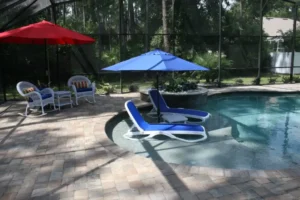
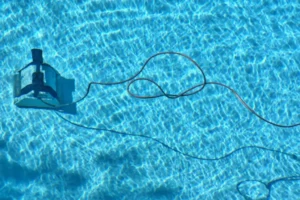
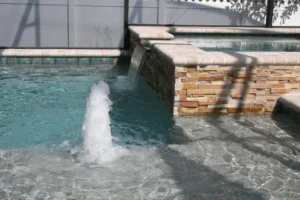
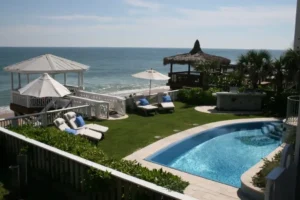
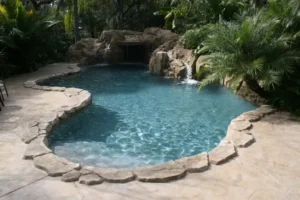

When people dream about having a backyard pool, they usually picture quiet mornings, weekend barbecues, and kids playing in clear blue water—not cleaning baskets, backwashing filters, and hauling bags of chemicals. The reality is that some pools demand a lot more attention than others, and one of the biggest reasons is what’s happening in the equipment pad. If you want a pool that’s as close to “set it and forget it” as possible, choosing the best pool filtration system for low-maintenance use is one of the most important decisions you’ll make. The type of filter, how it’s sized, and how it’s paired with your pump and plumbing all determine how often you’re cleaning, how clear the water stays, and how much time you spend working on the pool instead of enjoying it. Here’s how to think about filtration if your top priority is a clean pool that doesn’t eat up your free time. A Low-Maintenance Pool Starts With the Right Filter Type Most inground pools use one of three main filter types: Sand filters Cartridge filters DE (diatomaceous earth) filters All three can keep water clear when they’re properly sized and maintained, but they behave very differently day to day. Sand filters Sand filters push water through a bed of special filter sand, trapping debris as water flows down and then back out to the pool. Pros for low-maintenance: Very simple to operate Cleaning is done by backwashing —just move the valve and run the pump for a few minutes Media (sand) often lasts several years Cons: Typically offer the least fine filtration of the three Backwashing uses additional water and can waste chemicals Pressure rises more gradually, so some people delay cleaning longer than they should If your main goal is simplicity and you’re okay with “good” clarity instead of ultra-polished water, a sand filter can be a workable option. However, many homeowners who want the best balance of water clarity and low maintenance end up preferring cartridge or DE. Cartridge filters Cartridge filters push water through pleated cartridges that catch fine debris. Instead of backwashing, you clean them by removing the cartridges and rinsing them off. Pros for low-maintenance: Capture finer particles than sand, giving clearer water No backwash valve needed—less plumbing complexity Use less water because you’re not backwashing to waste With a properly sized unit, cleanings may be only a few times a year Cons: Cleaning cartridges is hands-on—hosing them down takes some time Cartridges eventually need replacement (every few years depending on use and care) For many residential pools, especially when the filter is generously sized, cartridge systems hit a sweet spot: fewer cleanings per year and very good clarity without the mess and water waste of frequent backwashing. DE filters DE filters use grids coated with diatomaceous earth powder to trap extremely fine particles. Pros for low-maintenance: Provide the highest level of clarity —they trap the smallest particles Great for owners who are extremely particular about how the water looks Cons: More complex to clean—requires backwashing plus recharging with DE Handling DE powder can be messy, and some areas have restrictions on DE disposal More parts inside the filter (grids, manifolds) that can require attention over time If your absolute top priority is “sparkling, competition-pool clear water” and you’re willing to put in extra maintenance occasionally, DE can be a good fit. But for most homeowners who want the lowest overall effort, a thoughtfully sized cartridge system is often the more practical “best pool filtration system.” Why Sizing Matters Just as Much as Filter Type Even the best filter type can feel high-maintenance if it’s too small for the job. A properly sized filter should: Handle the debris load without clogging too quickly Allow water to circulate freely without driving pump pressures too high Go a reasonable amount of time between cleanings When a filter is undersized: Pressure climbs more quickly You have to backwash or clean cartridges more often Water clarity can suffer during high-use or stormy periods A filter that’s generously sized for your pool, on the other hand, gives you: Longer intervals between service More buffer during heavy use, storms, or pollen season Less wear and tear on the pump because water can move more easily through the system For a low-maintenance pool, “bigger within reason” is usually better. It doesn’t mean oversizing wildly; it means choosing a model with enough surface area to make cleaning an occasional task instead of a constant chore. Pairing the Filter With a Variable-Speed Pump for Fewer Headaches The pump and filter work as a team. For many modern pools, the best setup combines: A variable-speed pump A properly sized cartridge (or sand/DE) filter Variable-speed pumps allow you to: Run at low speeds for everyday filtration , using less energy and putting less stress on the filter Increase speed only when needed (e.g., for vacuuming, spa use, or water features) Fine-tune flow so you’re not over-driving the filter with unnecessary pressure When the flow is gentle but continuous over longer periods, the filter does its job more efficiently and gradually. That often leads to: More stable water quality Less frequent cleaning , because debris is captured slowly and evenly instead of being forced through at high speed Lower energy bills , which is a nice side benefit of “low-maintenance” design By contrast, a single-speed pump blasting at full power several hours a day might move plenty of water, but it can make pressure spikes more noticeable and shorten the time between filter service intervals. If you’re aiming for the best pool filtration system for low-maintenance living, think of it as a package: not just the filter, but the pump and plumbing that feed it. How Good Circulation Design Reduces Maintenance The filter can only clean the water it actually sees. That’s why circulation design is just as important as filter technology. Well-designed circulation includes: Skimmers placed to capture surface debris where wind and waves naturally push it Returns positioned to create a consistent circular flow pattern Deep-end and shallow-end considerations so there are no “dead zones” where water stagnates A filter may be technically capable, but if water isn’t moving evenly through the pool: Debris can collect in corners or behind features Algae are more likely to take hold in low-flow areas The pool may “look dirty” between cleanings, even if the filter is fine When building or remodeling, it’s worth confirming that circulation is being considered, not just equipment sizing. The best pool filtration system for low-maintenance use is one where the whole pool participates in the flow—not just the water near the skimmer. How Automation and Simple Habits Support a Low-Maintenance Filtration System Even with the right filter and pump, a few smart tools and habits make everything easier: Automation Pool automation systems can: Run the pump on a schedule without you needing to think about it Adjust run times seasonally or based on mode (e.g., Spa vs Pool) Integrate with heaters and sanitizing systems so everything works together When the pump runs consistently and automatically, the filter gets steady, predictable flow—one of the easiest ways to keep a pool clear with minimal intervention. Basic habits that help Even the best pool filtration system benefits from a few simple habits: Emptying skimmer baskets regularly so debris doesn’t clog the system Keeping trees and landscaping maintained to reduce extreme leaf loads Brushing problem areas (steps, corners, ledges) occasionally so the filter can capture loosened debris These small tasks support the filter’s work and help prevent situations where any system—no matter how good—would be overwhelmed. Putting It All Together: What “Best” Looks Like for Low-Maintenance Owners There’s no single filter that’s perfect for everyone, but if your goal is a pool that stays clear with as little hands-on effort as possible, the best pool filtration system often has a few things in common: A cartridge or high-quality sand filter that is generously sized for the pool A variable-speed pump programmed for long, low-speed filtration cycles Thoughtful circulation design that keeps water moving through all parts of the pool Simple, reliable automation that keeps the system running consistently Occasional, light owner involvement—emptying baskets, checking pressure, and scheduling cleanings when needed Rather than chasing a single “magic” piece of equipment, think of the system as a team designed around how you live. The less you want to think about the pool, the more important it is to make deliberate choices about the filter, pump, and plumbing up front. When all of those pieces are working together, the pool stops being one more thing on your to-do list and starts feeling like what it was meant to be from the beginning: a calm, clear place to relax.
Leave a Reply Cancel reply Your email address will not be published. Required fields are marked * Comment * Name * Email * Website Save my name, email, and website in this browser for the next time I comment. Δ
Your pool, done right
You’ve Imagined It. Now Build it.
Tell us about your home, vision, and goal. We’ll help you bring your backyard vision to life.