
Eco Friendly Pool Systems: How Saltwater Conversion and Modern Equipment Reduce Chemical Use
Search
Search Search
Categories
Categories Architectural & Design-Based Pools Custom Aesthetic Finishes Edge & Overflow Pools Fiberglass Pools Flexible & Artistic Styles Freeform Pools Geometric Pools Modernization & Equipment Upgrades Perimeter Overflow Pools Pool Add Ons Pool Automation Technology Pool Building Pool Maintenance Pool Remodeling Pool Repair Salt Chlorine Generators Saltwater Conversion Tile, Coping & Finish Upgrades
Latest post
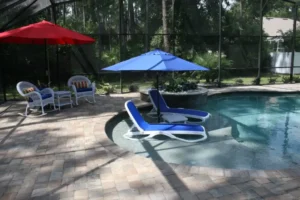
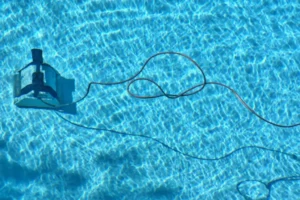
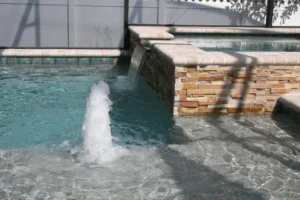

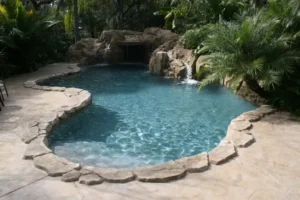
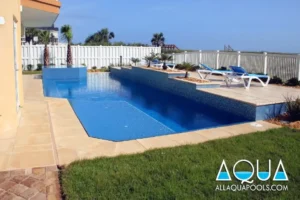

For many homeowners, a pool is meant to be a place of relaxation—not a chemistry lab. Strong chlorine smells, irritated skin, and constant chemical adjustments can make pool care feel anything but “refreshing.” That’s why more and more people are looking into eco friendly pool systems that use smarter equipment and more stable sanitizing methods to keep the water clean with less waste and fewer harsh swings. For concrete inground pools, going eco-friendly doesn’t mean starting over from scratch. In many cases, it means converting your pool to saltwater , updating key pieces of equipment, and using modern controls to keep everything running efficiently. These changes can reduce chemical use, trim energy consumption, and make everyday pool ownership feel smoother and more comfortable. Here’s how saltwater systems, better circulation, and smarter equipment work together as part of eco friendly pool systems—and what that means for your pool, your budget, and your swimmers. Saltwater Systems: More Stable Chlorine, Less Harsh Experience One of the biggest misconceptions about saltwater pools is that they’re “chlorine-free.” They’re not. A saltwater pool is still a chlorine pool —but the chlorine is created on site from dissolved salt, rather than added manually by pouring in liquid or tablets. A saltwater chlorination system works like this: A measured amount of pool-grade salt is added to the water. The salt dissolves and circulates through the pool plumbing. As water passes through a salt cell , a low-voltage electrical current converts a portion of the salt (sodium chloride) into chlorine. That chlorine sanitizes the pool, and eventually converts back to salt, continuing the cycle. From an eco-friendly perspective, this offers a few important advantages: More stable sanitizer levels – Instead of big peaks when chlorine is added by hand, the system generates a steady supply of chlorine while the pump is running. That means fewer dramatic swings and less need to “shock” the pool as often. Reduced handling of packaged chemicals – You use far less liquid or tablet chlorine, which can mean fewer plastic jugs and containers and less transport and storage of harsh products at home. Softer, more comfortable water – Many swimmers find saltwater pools gentler on skin and eyes, which often leads to using fewer “extra” products to soothe irritation after swimming. Saltwater systems still need balanced chemistry—pH, alkalinity, stabilizer, and calcium levels all matter—but they often make day-to-day chlorine management calmer and more predictable , which is one of the core goals of eco friendly pool systems. Modern Filtration and Circulation: Let the Filter Do More, Chemicals Do Less Even the best sanitizer can’t compensate for poor circulation or filtration. In an eco-conscious setup, the idea is to let the filter and flow pattern do more of the work , so you’re using fewer chemicals to fight issues that could have been prevented. Key pieces here include: A properly sized filter (often a cartridge or high-quality sand filter) that can handle your pool’s debris and bather load without constant attention. Thoughtful return placement and plumbing design so water moves through the entire pool, not just parts of it. Regular, gentle circulation rather than short, high-speed bursts. When water is moving steadily and the filter is doing its job: Debris and contaminants are physically removed from the water before they can break down and demand more chlorine. Algae have a harder time taking hold because water doesn’t stagnate in corners and on steps. Chemical additions mix more evenly, so you use just what you need , not extra to compensate for poor distribution. In other words, a good filtration and circulation setup is one of the quiet heroes of eco friendly pool systems . It doesn’t replace sanitizers like chlorine, but it lets you maintain clear, clean water with less chemical intervention over time. Variable-Speed Pumps: Lower Energy Use, Better Water Quality Traditional single-speed pumps turn on, run hard, and shut off. They move a lot of water quickly—but they also use a lot of electricity, and they don’t give you much control over flow. Modern eco friendly pool systems almost always center on a variable-speed pump . These pumps use advanced motors and built-in controls to run at different speeds throughout the day. This helps both the environment and your wallet: Energy savings – Running at a lower speed for longer periods can dramatically cut electricity use compared to blasting at full power for a few hours. Better filtration – Slower, longer run times often mean more consistent water turnover and better filter performance. Quieter operation – Lower speeds are much quieter, which is a quality-of-life benefit in addition to the energy efficiency. And most importantly for chemical use: Because the pump can circulate water gently for many hours , chemicals are continuously mixed, and sanitizer levels stay more stable. That can reduce the need for “emergency” doses of chlorine to fix cloudy or unbalanced water. When you pair a variable-speed pump with a saltwater system, you get a powerful combination: steady chlorine production plus steady circulation , which is one of the reasons these setups are often considered core components of eco friendly pool systems. Automation: Smart Control Reduces Waste and Over-Treatment Eco-friendly doesn’t just mean “green” equipment. It also means using that equipment wisely . That’s where automation comes in. Modern pool automation systems allow you to manage: Pump speeds and schedules Salt chlorinator run times Heaters or heat pumps Lights and water features from a wall-mounted controller or a smartphone app. From an environmental and chemical-use perspective, automation helps by: Avoiding over-circulation – You can set accurate schedules instead of leaving a pump running longer than necessary, cutting both electricity use and wear. Matching chlorine generation to actual needs – You can program the salt system and pump to run more during heavy use or warm months and less during the off-season, instead of using the same settings year-round. Coordinating equipment – Heaters, salt systems, and pumps can all be kept in sync so no system is running inefficiently or unnecessarily. Because pool chemistry is so closely tied to circulation and runtime, better control naturally leads to less overcorrection with chemicals . When the system runs predictably, you’re less likely to over-shock or constantly chase numbers, which means fewer extra products in the water and less waste overall. Smarter Heating: Using Energy Only When You Need It For pools with heaters or heat pumps, heating strategy plays a big part in how eco-friendly the system feels. An eco conscious approach doesn’t have to mean giving up warm water; instead, it means: Choosing an efficient heater (like a heat pump in mild climates). Using automation to avoid heating the pool when nobody is going to use it. Considering targeted heating (for a spa or smaller area) instead of the entire pool, if that’s how you swim most often. When heating is tied into the same control system as your pump and salt cell, it’s easier to run shorter, more efficient heat cycles rather than keeping everything hot all day “just in case.” That translates to less energy used and fewer times you need to compensate with extra chemicals due to large temperature swings or long idle periods. Better Everyday Experience, Smaller Environmental Footprint The real strength of eco friendly pool systems is that they improve both how the pool feels and how it behaves : For swimmers , saltwater and consistent circulation typically mean: Gentler water on eyes and skin Less chemical smell Fewer dramatic changes in water quality from one day to the next For homeowners , modern equipment and automation usually mean: Less time spent manually dosing and adjusting Fewer trips to the store for chlorine and other chemicals Lower electricity use if the system is set up and programmed well For the environment , these systems can help: Reduce the volume of packaged chemicals used over the life of the pool Cut power consumption compared with older single-speed pump setups Minimize wasted water and chemicals from constant overcorrection None of this makes a pool impact-free—any body of water that’s filtered, heated, and treated has a footprint. But with saltwater conversion, variable-speed pumps, smart filtration, and automation working together, that footprint can be significantly smaller than that of a traditional, manually dosed, single-speed system. What Eco Friendly Pool Systems Are Not It’s also important to be clear about what eco friendly pool systems don’t claim: They are not chemical-free. Saltwater pools still use chlorine, just generated differently. They are not maintenance-free. You still need to test the water, clean filters, and inspect equipment. They do not remove the need for professional service or repairs over time. What they do offer is a smarter, more efficient way to achieve safe, clean, comfortable water—with fewer chemicals, less energy, and a more predictable routine. By combining saltwater conversion with modern, efficient equipment and smart controls , eco friendly pool systems help homeowners enjoy all the benefits of a backyard pool with less constant intervention and a lighter environmental impact. For many pool owners, that combination—comfort, clarity, and conscience—is exactly what they’ve been looking for in a modern pool setup.
Leave a Reply Cancel reply Your email address will not be published. Required fields are marked * Comment * Name * Email * Website Save my name, email, and website in this browser for the next time I comment. Δ
Your pool, done right
You’ve Imagined It. Now Build it.
Tell us about your home, vision, and goal. We’ll help you bring your backyard vision to life.