
How Long Does It Take to Build a Pool? Factors That Speed Up or Slow Down Your Project
Search
Search Search
Categories
Categories Architectural & Design-Based Pools Custom Aesthetic Finishes Edge & Overflow Pools Fiberglass Pools Flexible & Artistic Styles Freeform Pools Geometric Pools Modernization & Equipment Upgrades Perimeter Overflow Pools Pool Add Ons Pool Automation Technology Pool Building Pool Maintenance Pool Remodeling Pool Repair Salt Chlorine Generators Saltwater Conversion Tile, Coping & Finish Upgrades
Latest post
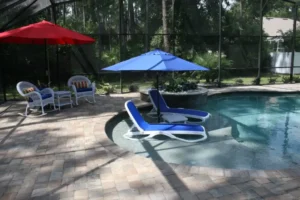
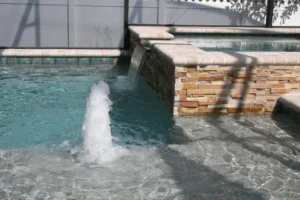
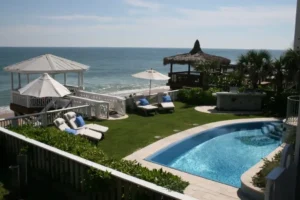

If you’ve been researching inground pools for a while, you’ve probably seen a lot of different answers to the question “how long does it take to build a pool” —anything from “8–10 weeks” to “several months or more.” That can be frustrating when you’re trying to decide when to start and how to plan around life, kids, work, and Florida’s weather. The truth is, there isn’t one universal timeline. Two backyards in the same neighborhood can have completely different schedules, even with the same builder and similar pool sizes. The difference almost always comes down to what you’re building and what factors are working for or against the schedule. Instead of chasing a single number, it’s far more useful to understand the main things that speed up or slow down a custom pool project. Once you know those, the general ranges you see online will make a lot more sense—and you’ll have more realistic expectations for your own build. Why Timelines for Custom Pools Aren’t One-Size-Fits-All When homeowners ask how long does it take to build a pool , they’re often picturing only the visible construction: digging the hole, forming the shell, and filling it with water. In reality, the full timeline includes: Design, approvals, and engineering Permits and, in many communities, HOA review Excavation and shell construction Plumbing, equipment, and electrical Decking, hardscape, and sometimes landscaping Interior finish and startup Each step depends on others, and several are affected by outside parties (city or county reviewers, utilities, inspectors, weather). That’s why your neighbor’s simple rectangle might go in relatively quickly, while a more complex design with special features can take longer even if both projects are well managed. So when you’re thinking about schedule, it helps to focus less on a generic number of weeks and more on the specific factors that will apply to your project. Design Complexity: Simple Shapes vs. Custom Features One of the biggest drivers of time is how complex the project is on paper before anyone ever breaks ground. A pool that is: A simple geometric shape With basic steps and benches Standard equipment without special water features will typically move through design and engineering faster than a project that includes: Freeform or unusual shapes Raised walls, weirs, or perimeter overflow edges Integrated spas, sun shelves, and multiple levels Large decks or connected outdoor living structures More design detail means: More measurements and revisions More coordination with structural engineering More time to finalize tile, coping, finish, and feature selections That doesn’t mean you should avoid custom features—just that when you ask how long does it take to build a pool , the answer for a straightforward family rectangle won’t match the answer for a resort-style, multi-level showpiece with intricate details. If your timeline is tight (for example, you’re aiming to be swimming by a certain season), keeping the design clean and focused can make a noticeable difference. Permits, HOAs, and Site-Specific Approvals Even the most efficient builder can’t pour concrete until the project is approved. For many Florida homeowners, permitting and approvals are the first place where the schedule can stretch. Several factors influence this phase: Local jurisdiction workload: Busy building departments may take longer to review plans. HOA or architectural review boards: Some communities require an extra layer of approval before permits can even be submitted. Property specifics: Easements Setback requirements Utility locations Coastal or flood-zone regulations If your property is in a standard subdivision with established procedures, approvals can be relatively predictable. If it’s oceanfront, on a corner lot, or in a community with strict design rules , it may take longer to get everyone to sign off. This is why one of the most honest answers to how long does it take to build a pool is, “It depends a lot on your city and your HOA.” You don’t control their pace—but you can help by: Providing requested documents promptly Making design decisions decisively rather than changing direction mid-review Once permits are issued, the real construction clock can start. Access, Soil, and Yard Conditions Even with perfect paperwork, the physical conditions of your yard play a major role in the schedule. Access Pool builders need to get equipment, materials, and crews in and out of the work area. Timelines are usually faster when: There is a wide, clear side yard or rear access There’s room for machinery to maneuver and stage materials Fewer temporary fences or structures need to be removed and rebuilt On tight lots where access is limited, crews may have to: Use smaller equipment Hand-carry materials longer distances Coordinate carefully to avoid blocking neighbors or streets All of that adds time. The pool still gets built—it just takes more labor per phase. Soil and ground conditions Most projects go smoothly with standard Florida soils, but certain site conditions can slow excavation and shell work: Rocky or unstable soils High groundwater that requires dewatering while the pool is being dug and formed Existing structures (old patios, sheds, or trees) that must be removed before excavation If, during the dig, crews find unexpected conditions, they may need to adjust engineering or add support measures. That adds both time and complexity—but it’s done to protect the finished pool and surrounding structures. Weather and Seasonal Impacts Weather has a bigger impact on the construction timeline than many people realize. Concrete, gunite, and interior finishes all require specific conditions to be installed correctly. Heavy rain, extreme heat, or long wet spells can slow progress. Weather can affect: Excavation: Very wet ground can delay digging or set-backfilling. Shell placement: Gunite/shotcrete needs proper curing time and can be affected by heavy rain. Deck pours: Concrete decks are sensitive to both rain and temperature swings. Interior finish: Plaster, quartz, or pebble finishes have strict application and curing requirements. In Florida, summer often brings afternoon thunderstorms and, in some years, tropical systems or hurricanes. Builders plan around typical patterns, but when weather doesn’t cooperate, certain phases may need to be shifted by days or weeks to ensure quality. When you ask how long does it take to build a pool , it’s helpful to think in terms of: A best-case window (when weather is normal and everything goes right) A realistic window that includes some time for delays due to rain or storms A good builder will protect quality first and adjust the schedule as needed rather than rushing critical steps in poor conditions. Material Choices and Supply Timing Most people think about materials in terms of look and price, but choices here can also affect timing. Factors that influence schedule include: Special-order tile or coping: Unique or imported materials may have longer lead times. Custom finishes or colors: Certain finishes are made or shipped to order and may not be available immediately. Hardscape extras: Fire features, custom lighting, outdoor kitchen components, and specialty fixtures can all be subject to supply timelines. If all materials are readily available when construction reaches each phase, the project moves smoothly. If something is backordered or delayed, that phase may need to be rescheduled. One subtle way to keep things moving: finalize selections early. The more decisions are made before construction, the fewer pauses there will be while everyone waits on a material to arrive. Design Changes and Scope Creep During Construction It’s completely normal to refine small details as a project moves forward. But major design changes mid-build are one of the most common reasons schedules stretch. Examples of changes that can add time include: Deciding to change the shape or size of the pool after forms are placed Adding features like raised walls, built-in benches, or a spa once plumbing has started Switching to a different deck type or layout after prep is underway Replacing originally chosen finishes or tile with new selections late in the process Each of these changes can require: Revised plans or engineering New materials and lead times Additional inspections Extra labor to modify work that’s already underway Sometimes the changes are absolutely worth it—you’ll live with the pool for many years, and you want it right. But when you’re estimating how long does it take to build a pool , it’s fair to assume that sticking to the original design will usually be faster than reworking plans midstream. Inspections, Coordination, and the Human Side of the Schedule Even when everything else goes well, there’s a human side to timelines: Inspection schedules: Each municipality has its own process for booking inspections. Some are quick; others require scheduling several days in advance. Certain phases cannot continue until the inspector signs off. Trade coordination: Pool construction often involves different crews for: Excavation Steel and shell Plumbing and equipment Electrical Decking and hardscape Interior finish and startup Coordinating these teams so each arrives in the right order, with minimal gaps, is a big part of project management. Workload and seasonality: In peak building seasons, reputable builders often have full calendars. Starting your project earlier—or timing it away from the busiest months—can improve scheduling flexibility. When you ask how long does it take to build a pool , these coordination details are often the “invisible” part of the answer. A pool that looks simple on the surface still requires a sequence of well-timed steps behind the scenes. Turning “How Long Does It Take to Build a Pool” Into a Realistic Expectation There’s nothing wrong with wanting a clear number, but the most honest response to “how long does it take to build a pool” is: it depends on your design, your property, your approvals, and your choices along the way. The timeline for a given project is shaped by: How complex and custom the design is How quickly permits and HOA approvals move Access, soil, and site conditions in your yard Weather patterns during key construction phases Material availability and how early selections are made Whether you change the design once work has started How inspections and trade schedules line up Understanding these factors doesn’t make the pool build shorter, but it does make the process easier to navigate. Instead of being surprised by normal pauses or adjustments, you can see where they’re coming from—and why they’re sometimes necessary to protect quality. In the end, a custom inground pool is a long-term investment. When you look back years later, a few extra weeks to get the structure, finishes, and details right will matter far more than hitting an exact date on the calendar.
Leave a Reply Cancel reply Your email address will not be published. Required fields are marked * Comment * Name * Email * Website Save my name, email, and website in this browser for the next time I comment. Δ
Your pool, done right
You’ve Imagined It. Now Build it.
Tell us about your home, vision, and goal. We’ll help you bring your backyard vision to life.