
Weekly Pool Cleaning Service: How Regular Maintenance Extends the Life of Your Pool and Equipment
Search
Search Search
Categories
Categories Architectural & Design-Based Pools Custom Aesthetic Finishes Edge & Overflow Pools Fiberglass Pools Flexible & Artistic Styles Freeform Pools Geometric Pools Modernization & Equipment Upgrades Perimeter Overflow Pools Pool Add Ons Pool Automation Technology Pool Building Pool Maintenance Pool Remodeling Pool Repair Salt Chlorine Generators Saltwater Conversion Tile, Coping & Finish Upgrades
Latest post

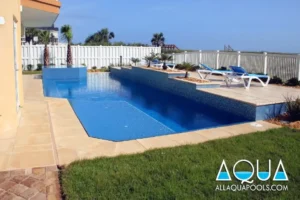

A swimming pool is more than a backyard feature—it’s a working system. Every day, the water is exposed to sun, wind, rain, leaves, dust, sunscreen, and everything swimmers bring in with them. Behind the scenes, your circulation, filtration, and sanitizing systems work steadily to keep that water clear and safe. When that everyday workload isn’t supported by consistent care, the pool slowly starts to show it: cloudy water, rough surfaces, staining, failing equipment, and eventually expensive repairs. That’s why a weekly pool cleaning service isn’t just about having the water look pretty—it’s one of the best ways to protect the long-term health of your pool and all the equipment that keeps it running. Regular, professional attention helps prevent small issues from becoming big problems, and it can stretch the lifespan of everything from your interior finish to your heater. Here’s how that weekly rhythm pays off over years, not just days. Why Weekly Is the Sweet Spot for Most Pools Pools are dynamic systems, not static bodies of water. Every week, several things are happening at once: Sunlight is breaking down sanitizer. Leaves, pollen, and dust are accumulating. Swimmers are adding body oils, cosmetics, and contaminants. pH and alkalinity slowly drift out of range. Left unattended, those changes stack up. Algae finds a foothold, scale begins to form on surfaces and in equipment, metals can start staining the finish, and the pump and filter have to work harder than they should. A weekly pool cleaning service introduces a predictable pattern: Skim, vacuum, and brush before debris can decay. Test and balance water before chemistry drifts too far. Empty baskets before flow is restricted. Check equipment performance before small issues escalate. That rhythm keeps the pool within a healthy range, which means less stress on finishes, seals, and mechanical components. In contrast, long gaps between visits often lead to emergency cleanups or shock treatments that are harder on both the pool and the budget. Protecting the Pool Interior: Surfaces Last Longer in Balanced Water Your pool’s interior finish—whether plaster, quartz, or exposed aggregate—is in constant contact with the water. Its lifespan depends heavily on one thing: water balance . If chemistry is neglected, two main problems show up: Aggressive water (too low pH, low alkalinity, low calcium) can slowly dissolve plaster, etch surfaces, and expose aggregate. Scale-forming water (high pH, high calcium) can leave rough, white deposits on walls, steps, waterlines, and tile. A consistent weekly pool cleaning service helps avoid both extremes by: Testing pH, alkalinity, and sometimes calcium hardness on a regular schedule. Making small adjustments before water drifts too far out of range. Brushing walls and steps so early scale or algae films don’t have a chance to harden or stain. Over years, that means: Fewer stains and discoloration. Less etching or roughness underfoot. Longer intervals between costly resurfacing projects. The same logic applies to tile and grout: regular brushing and balanced water prevent the buildup of scale that can lock in dirt and cause permanent staining. Instead of needing aggressive acid washes, the surface stays smoother and easier to maintain. Keeping Equipment Healthy: Pumps, Filters, and Heaters Under Less Stress Your pool equipment is designed to handle water, not neglect. When baskets clog, filters are overloaded, or chemistry is consistently off, the mechanical parts that keep the pool running are forced to work harder. Here’s how weekly service supports the long-term health of your equipment: Pump and circulation Emptying skimmer and pump baskets prevents debris from restricting flow, which keeps the pump from running at higher stress and temperature than necessary. Catching early signs of air leaks or unusual noises lets small issues (like a failing o-ring or minor suction-side leak) be addressed before they damage the pump or cause it to lose prime. Filter A weekly visit includes checking pressure and condition. That makes it easy to know when it’s time to backwash (for sand/DE) or clean cartridges, instead of waiting until flow is significantly compromised. A well-maintained filter moves water efficiently, which means the pump can run at lower speeds (in the case of variable-speed systems) and still achieve good circulation. Heater and heat pump Balanced water is critical for heater components, especially heat exchangers. If the water is consistently too corrosive or scale-forming, the heater’s internals can suffer. Regular service helps ensure the water reaching the heater is within acceptable ranges, extending its life and protecting a major investment. Because a technician sees your system every week, they also become familiar with what “normal” looks and sounds like. That makes it much easier to spot caution signs early—saving equipment from being run in unhealthy conditions for months at a time. Preventing Algae and Cloudy Water Before They Take Over Algae and cloudy water are more than cosmetic problems. When they show up, they usually indicate that the pool is: Using sanitizer inefficiently Putting strain on the filter Accumulating organic contamination that needs to be oxidized Treating a full algae bloom often means: Large doses of shock Multi-day filtration and backwashing Extra brushing and vacuuming Higher chlorine levels for a period afterward All of that is harder on surfaces, equipment, and your operating budget than simply not letting the bloom happen in the first place . A weekly pool cleaning service dramatically reduces the odds of major outbreaks by: Brushing walls, steps, corners, and waterlines where algae tends to start. Keeping sanitizer in the recommended range—neither too low (inviting algae) nor excessively high. Removing leaves and debris before they break down and fuel organic load. Catching the earliest hints of algae (slippery spots, color shifts) and treating them promptly. Instead of lurching from crisis to crisis, the pool stays in a “steady state” where water clarity is maintained with smaller, more precise adjustments. That’s better for everything: your finish, your equipment, and your own peace of mind. Reducing Wear on Seals, Valves, and Moving Parts Every pool has a network of small but important components—o-rings, valve seals, unions, actuators, and fittings. These parts are the quiet backbone of your system, keeping water where it belongs and equipment working smoothly. Neglect often shows up here first: Chemical imbalances and high chlorine can degrade rubber seals faster. Constant pressure spikes from clogged baskets or dirty filters can stress valves and fittings. Small leaks left unattended can erode nearby surfaces, attract ants, or rust neighboring hardware. Weekly service helps by: Catching leaks early, when they may only require a simple gasket or union repair rather than major plumbing work. Keeping filter pressure closer to the ideal range, reducing strain on flexible parts. Noticing corrosion or wear on exposed metal components before failures occur. Over time, that means fewer surprise leaks, fewer emergency visits, and a system that ages more gracefully instead of “falling apart all at once.” Cutting Down on “Big Swing” Chemical Corrections Pools with irregular care often follow a familiar pattern: Chemistry drifts for weeks. Something becomes noticeably wrong (cloudiness, odor, irritation). A large correction is made—heavy shock, big pH swings, lots of tweaking. The water recovers, but at the cost of putting both the pool and equipment through a chemical rollercoaster. Those big swings are not only uncomfortable for swimmers; they’re harder on finishes, seals, and equipment internals. Repeated cycles of very high chlorine, big pH adjustments, or strong acid treatments take a toll. By contrast, a weekly pool cleaning service is built around small, regular corrections : Adjusting pH a little at a time Keeping chlorine in the proper range instead of letting it crash Using algaecides or clarifiers judiciously, if at all, instead of as emergency fixes With this approach, the water stays within a narrow, healthy band most of the time. That gentler environment extends the life of everything that touches the water: plaster, tile, grout, metal fixtures, heater components, and even deck surfaces that are frequently splashed. Protecting Your Investment in Resurfacing and Remodeling Many pools eventually go through a remodel or resurfacing : new interior finish, new tile and coping, upgraded equipment, sometimes new decking. That’s a significant investment—often comparable to the original build. The lifespan of that fresh finish and new hardware is directly tied to the quality of maintenance that follows. Weekly service is one of the most effective ways to protect that investment: New interior finishes benefit from meticulous water balance, especially in the first months after start-up. Fresh tile and grout stay cleaner and free of scale when brushed and balanced regularly. Newly installed pumps, filters, heaters, and automation systems stay within the manufacturer’s recommended operating conditions, supporting warranty coverage and longevity. Without consistent service, even a beautifully remodeled pool can slide backward quickly, needing premature spot repairs, stain treatments, or corrective work that could have been avoided. A Weekly Set of Eyes: Early Detection Saves Money One underappreciated value of a weekly pool cleaning service is simple but powerful: a knowledgeable set of eyes on your pool and equipment once a week. That consistent presence can catch: Slight changes in water level that hint at leaks Unusual pump sounds or vibrations Subtle staining beginning on surfaces Air bubbles in the returns indicating suction issues Early signs of wear on exposed hardware Addressing those small clues early is almost always less expensive than waiting for them to turn into major repairs. It’s the difference between tightening a fitting and replacing a pump, between treating a few spots of early algae and recovering from a full green swamp. Over years, those avoided “big events” add up in both cost savings and extended life for your pool and its equipment. Consistency Now, Fewer Headaches Later A pool will always require some level of care—there’s no such thing as a truly maintenance-free system. But the way that care is delivered makes a huge difference. Sporadic, reactive attention leads to more stress on the pool and equipment, bigger chemical swings, and more surprises. A weekly pool cleaning service flips that script. It replaces unpredictable, crisis-driven care with a steady, methodical routine that: Keeps water balanced and surfaces protected Reduces wear on pumps, filters, heaters, and seals Prevents algae and cloudiness before they explode into major problems Supports the long-term value of any resurfacing or equipment upgrades In other words, weekly maintenance isn’t just about a clean pool this weekend—it’s about extending the life of the entire system so you can enjoy your pool comfortably and confidently for many seasons to come.
Leave a Reply Cancel reply Your email address will not be published. Required fields are marked * Comment * Name * Email * Website Save my name, email, and website in this browser for the next time I comment. Δ
Your pool, done right
You’ve Imagined It. Now Build it.
Tell us about your home, vision, and goal. We’ll help you bring your backyard vision to life.