
Common Misconceptions About Salt Water Pools—and What the Science Says
Search
Search Search
Categories
Categories Architectural & Design-Based Pools Custom Aesthetic Finishes Edge & Overflow Pools Fiberglass Pools Flexible & Artistic Styles Freeform Pools Geometric Pools Modernization & Equipment Upgrades Perimeter Overflow Pools Pool Add Ons Pool Automation Technology Pool Building Pool Maintenance Pool Remodeling Pool Repair Salt Chlorine Generators Saltwater Conversion Tile, Coping & Finish Upgrades
Latest post

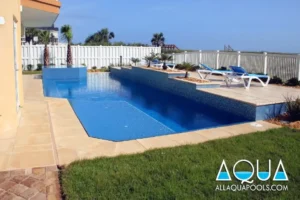

Salt water pools have grown in popularity over the past two decades—and for good reason. They offer a gentler swim experience, easier maintenance routines, and fewer harsh chemicals. But with their rise in demand comes confusion. Homeowners often hear conflicting advice, leading to misconceptions that can influence their decisions or expectations. Let’s take a closer look at the most common myths about salt water pools—and what the science (and field experience) really says. Misconception 1: Salt Water Pools Don’t Use Chlorine The truth: Salt water pools do use chlorine—they just generate it differently. Instead of adding chlorine manually, these pools use a salt chlorine generator . The system breaks down salt (sodium chloride) into hypochlorous acid through electrolysis. This is the same sanitizing agent found in traditional chlorine pools. Key difference: You’re producing chlorine continuously in the water itself, which avoids the sharp chemical spikes common with tablets or shock treatments. Misconception 2: Salt Water Pools Are Maintenance-Free The truth: While they can simplify maintenance, salt water pools still require regular care . You’ll need to monitor: Salt levels pH balance Calcium hardness Chlorine output from the generator And while salt generators reduce the need for handling chemicals, the cell itself must be inspected and cleaned regularly to prevent scaling. Bottom line: Less daily work? Yes. But “set it and forget it”? Not quite. Misconception 3: Salt Water Corrodes Everything The truth: Salt water is more corrosive than freshwater, but not harmful when managed correctly . Corrosion risks mostly arise when: Salt levels are too high Equipment isn’t marine- or pool-grade Pool owners neglect water balance Modern pool systems built for salt water pools use corrosion-resistant materials, such as: Titanium salt cells Resin or composite equipment housing Sealed control panels If your pool is built or upgraded properly, corrosion can be minimized—just like in coastal pool construction. Misconception 4: Salt Water Pools Taste Like the Ocean The truth: Ocean water has around 35,000 ppm (parts per million) of salt. A salt water pool? Around 3,000 to 3,500 ppm —barely 10% as salty. That’s just enough to generate chlorine—not enough to leave a salty taste or residue on your skin. Bonus: Many swimmers report that salt water feels softer and less irritating to eyes and skin than traditional chlorine. Misconception 5: You Can’t Convert an Existing Pool to Salt Water The truth: Almost any existing chlorine pool can be converted into a salt water system. The process involves: Installing a salt chlorine generator Adding pool-grade salt Adjusting water chemistry Possibly upgrading incompatible equipment (like certain heaters or lights) While salt water pools work best when designed into new builds, conversions are common—especially during renovations or when upgrading filtration systems. Misconception 6: Salt Systems Are Too Expensive to Be Worth It The truth: The upfront cost of a salt system is higher, but operational savings can add up. Consider: Reduced need for purchased chlorine Lower chemical handling Fewer skin or allergy-related issues Longer intervals between deep cleanings For many homeowners, especially in Florida where pools are used year-round, the long-term value of salt water pools outweighs the initial investment. Salt Water Pools Offer Real Benefits—But Real Maintenance Too Salt water pools aren’t magic—and they’re not chemical-free. But they do offer a smoother, more consistent swimming experience with less harshness and better automation. By understanding how they work (and what they don’t do), you can make smarter decisions—whether you’re building new, renovating, or just exploring upgrades.
Leave a Reply Cancel reply Your email address will not be published. Required fields are marked * Comment * Name * Email * Website Save my name, email, and website in this browser for the next time I comment. Δ
Your pool, done right
You’ve Imagined It. Now Build it.
Tell us about your home, vision, and goal. We’ll help you bring your backyard vision to life.