
Free Form Pools vs. Geometric Pools: Which Design Fits Your Backyard Best?
Search
Search Search
Categories
Categories Architectural & Design-Based Pools Custom Aesthetic Finishes Edge & Overflow Pools Fiberglass Pools Flexible & Artistic Styles Freeform Pools Geometric Pools Modernization & Equipment Upgrades Perimeter Overflow Pools Pool Add Ons Pool Automation Technology Pool Building Pool Maintenance Pool Remodeling Pool Repair Salt Chlorine Generators Saltwater Conversion Tile, Coping & Finish Upgrades
Latest post
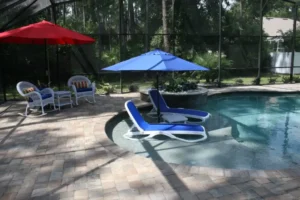

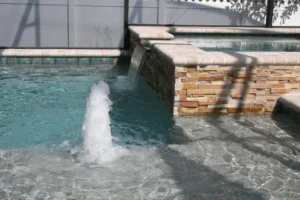
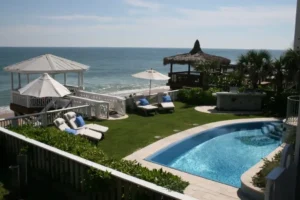
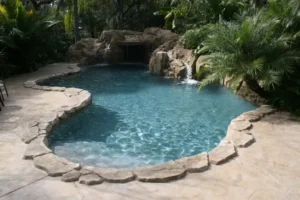
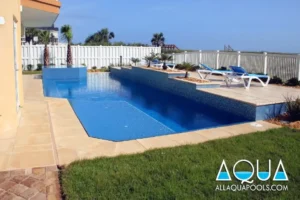

Choosing a pool design isn’t just about size or depth—it’s about how the space flows, how it complements your yard, and how it feels to use every day. One of the first decisions many homeowners face is whether to go with a free form pool or a geometric one. Both styles have distinct benefits, and the right choice depends on your property, lifestyle, and design goals. Here’s a breakdown of how these two pool types differ—and how to decide which one fits your backyard best. What Are Free Form Pools? Free form pools are designed with curves, asymmetrical lines, and a natural shape. They often mimic the look of ponds or lagoons, with a softer aesthetic that integrates well with landscaping. Key characteristics: Irregular shapes Curved or flowing edges Often paired with rock features, waterfalls, or organic surroundings Typically custom-built for each site What Are Geometric Pools? Geometric pools follow clean, straight lines. They may be rectangular, square, or designed with strong angles and symmetry. These pools often lend themselves to a more formal, modern, or architectural look. Key characteristics: Straight edges and right angles Symmetrical layout Easier to incorporate with structured landscaping or contemporary homes Often preferred for lap swimming or minimalist design Aesthetics and Style Free form pools offer a relaxed, natural look. They blend well with tropical landscaping and curved patios, making them popular for backyard retreats. Geometric pools fit better with modern architecture or formal garden layouts. They create strong visual lines and pair well with structured outdoor spaces. Choose free form if you want your pool to feel like a private oasis. Choose geometric if you want clean lines and visual balance. Space and Layout Considerations Free form pools can be more adaptable in irregularly shaped or sloped yards. Their curves make them easier to fit into tight or non-standard spaces. Geometric pools require more defined space and may look out of place in yards with curved boundaries or natural elements. If your yard has trees, elevation changes, or an organic layout, free form pools often feel more natural. If your space is flat and rectangular, geometric pools may maximize usable area. Functionality and Features Geometric pools are typically more suited for lap swimming, pool covers, or automatic cleaners due to their symmetry. Free form pools encourage lounging, wading, and play zones. They often include tanning ledges, built-in seating, or connected spas. Each can support water features, lighting, and automation—what changes is how those elements are integrated visually. Construction Complexity Both pool types can include custom features and finishes, but: Geometric pools are often easier and faster to build due to standard shapes and layouts. Free form pools usually require more custom design work and flexible construction techniques, especially around curves and landscaping. In Florida, many homeowners opt for free form pools to complement palm trees, curved decks, and coastal vegetation—but both styles can be engineered to meet local code and soil conditions. Maintenance Considerations Geometric pools are easier to clean and circulate due to consistent shapes. Free form pools may have more complex plumbing or unique corners that require tailored maintenance approaches. However, with today’s automation systems and in-floor cleaning options, this difference is less significant than in the past. Match the Pool to the Property When choosing between free form pools and geometric ones, there’s no “better”—just what works best for your lifestyle and space. Free form designs offer flexibility, flow, and a natural vibe. Geometric pools provide structure, ease, and modern appeal. Whether you’re starting from scratch or remodeling an existing pool, selecting the right shape sets the tone for your entire outdoor living area.
Leave a Reply Cancel reply Your email address will not be published. Required fields are marked * Comment * Name * Email * Website Save my name, email, and website in this browser for the next time I comment. Δ
Your pool, done right
You’ve Imagined It. Now Build it.
Tell us about your home, vision, and goal. We’ll help you bring your backyard vision to life.