
Pool Leak Detection Service: Signs You Need a Pro (Not Just More Water)
Search
Search Search
Categories
Categories Architectural & Design-Based Pools Custom Aesthetic Finishes Edge & Overflow Pools Fiberglass Pools Flexible & Artistic Styles Freeform Pools Geometric Pools Modernization & Equipment Upgrades Perimeter Overflow Pools Pool Add Ons Pool Automation Technology Pool Building Pool Maintenance Pool Remodeling Pool Repair Salt Chlorine Generators Saltwater Conversion Tile, Coping & Finish Upgrades
Latest post

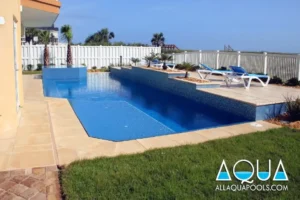

Almost every pool owner has had that moment: you top off the water, and a few days later the level is down again. In a hot, sunny climate, it’s easy to assume it’s just evaporation —especially in Florida, where high temperatures, wind, and regular use can make water disappear faster than you’d expect. But there’s a point where “normal” loss crosses the line into leak territory , and ignoring it can quietly damage your pool structure, decking, and equipment over time. That’s where a professional pool leak detection service becomes essential. Rather than guessing, a trained technician can tell you if you’re losing water through evaporation, plumbing, fittings, or the shell itself—and how serious the problem really is. Understanding the difference between normal water loss and a genuine leak helps you decide when you can keep watching things on your own and when it’s time to involve a specialist. How Much Water Loss Is Normal—and When It’s a Red Flag Every pool loses a little water. Even a perfectly built, perfectly sealed pool will experience: Evaporation from sun and wind Splash-out from normal use Backwashing if you have a sand or DE filter In a warm, sunny region, many inground pools can lose around ⅛ to ¼ inch of water per day from evaporation under typical conditions, and sometimes more when it’s hot, windy, or very dry. Over a week, that might add up to around an inch or so of water loss, which usually isn’t cause for alarm if you’re also swimming regularly. However, you should start to be suspicious when: You’re losing an inch or more every few days even with light use You have to top off the pool more than once a week The water line drops quickly right after you fill it If the water level seems to fall faster than your neighbors’ pools or your own pool’s historical “normal,” that’s often an early sign you may need a pool leak detection service , not just another hose refill. Common Signs You Might Have a Pool Leak Beyond simply watching the water line, there are subtle clues that point toward leakage instead of ordinary evaporation. Paying attention to these can save a lot of money and prevent damage. Some of the most common warning signs include: Soggy or constantly damp spots near the pool or deck If you notice soft ground, puddling, or areas that stay wet long after it rains, water may be escaping from plumbing lines or the pool shell and seeping into the surrounding soil. Cracks in the deck or new settlement around the pool Water leaking underground can wash out soil, leading to voids under concrete. Over time, this can cause sections of deck to crack, sink, or tilt. Air in the system or bubbling at returns When a suction-side line has a leak, you may see air bubbles blowing through the return jets or hear the pump “gulping” air. That’s a sign the system may be drawing air through a break in the line. Sudden increases in water or chemical use If your water bill spikes or you find yourself adding chemicals much more frequently, water may be escaping—and taking sanitizer and heat with it. Equipment that loses prime or struggles to stay running Some leaks introduce air into the plumbing, forcing the pump to work harder to stay primed. If the pump loses its prime regularly for no obvious reason, a hidden leak could be involved. Visible cracks or loose tiles inside the pool Not all cosmetic flaws are leaks, but significant cracking or hollow-sounding spots can point to underlying issues that allow water to escape. Any one of these symptoms doesn’t guarantee a leak, but if you see several at once—especially along with noticeable water loss—it’s smart to consider contacting a pool leak detection service rather than continuing to guess. Simple Checks You Can Do Before Calling a Pool Leak Detection Service Homeowners can do a couple of basic checks to get a clearer sense of what’s happening before scheduling a professional visit. These don’t replace a full diagnostic, but they can help you gather useful information. 1. The “bucket test” The bucket test is a simple way to compare evaporation to actual pool water loss: Fill a bucket with pool water and set it on the pool step so the water inside the bucket is roughly at the same level as the pool water outside. Mark the water level inside and outside the bucket. Turn off any features that disturb the surface (like waterfalls or bubblers) and leave the system in its normal filtration mode. After 24–48 hours, compare the drops: If the pool water level dropped significantly more than the bucket, you may have a leak. If both dropped by about the same amount, the loss is likely close to normal evaporation. This test works best when there’s no heavy rain and when swimmers are not splashing a lot during the test period. 2. Visual and sound inspection Walk around the pool and equipment area and look for: Wet spots or unusually green, lush patches of grass near plumbing lines Drips around the equipment pad, especially at unions, valves, or heater connections Cracks in the skimmer area or around fittings Persistent hissing or gurgling noises at the pad that suggest air or water escaping If these simple checks suggest something more than evaporative loss—or if you simply don’t want to wait and see—it’s usually time to reach out for a pool leak detection service . Why Leaks Are More Serious Than Just “A Little Extra Water” It’s tempting to treat minor water loss as an annoyance rather than a real problem. But leaks have impacts beyond just topping off the pool more often. Structural and deck damage Water escaping from a pool doesn’t just disappear; it goes somewhere—often into the soil supporting the shell and deck. Over time, this can: Wash out support beneath concrete Cause voids that lead to cracking or sagging in decks and coping Put stress on the pool shell itself, especially in older concrete or gunite pools What starts as a small leak can eventually turn into more significant repair work if it’s not addressed early. Increased operating costs Every gallon that leaks out takes chemicals and heat with it. That means: You spend more on sanitizer, pH adjusters, and other chemicals Heated pools or spas lose energy as warmed water escapes Automatic fillers, if present, may quietly drive up your water bill without you noticing right away Over the course of a season, even a modest leak can waste thousands of gallons of treated water. Potential for equipment strain Depending on where the leak is, it can: Introduce air into suction lines, making the pump work harder Cause filters to cycle more frequently or struggle with pressure Lead to intermittent priming issues that shorten equipment life Taken together, these factors show why a pool leak detection service isn’t just about being picky—it’s a way to protect both your investment in the pool and your ongoing operating costs. What a Professional Pool Leak Detection Service Brings to the Table While homeowner tests can point you in the right direction, professional leak detection is more targeted and comprehensive. A specialized pool leak detection service uses a combination of methods to pinpoint issues such as: Shell leaks in the walls or floor Skimmer leaks where the concrete meets the plastic body Light niche leaks at conduits or housing Plumbing leaks on both suction and return lines Equipment leaks at pumps, filters, heaters, or valves Common professional techniques include: Pressure testing plumbing lines to see if they hold pressure over time Dye testing around suspected trouble spots, such as cracks or fittings Electronic listening equipment to detect the sound of escaping water underground Camera or borescope inspections in certain cases The goal is not only to confirm that you have a leak, but also to identify where it is and how serious it is , so repair decisions can be made confidently. A good leak detection visit typically ends with: Clear information on whether the pool is leaking Identification of the primary leak points An explanation of repair options, ranging from targeted fixes to more extensive renovation if underlying structural issues are found When It’s Time to Call a Pool Leak Detection Service It’s normal for pool levels to fluctuate a bit with weather and use. But you shouldn’t have to constantly wonder if what you’re seeing is “normal” or not. It’s usually time to contact a professional pool leak detection service if: Your pool is losing more than about an inch of water a week under typical use and weather The bucket test shows the pool level dropping faster than the test water You see wet spots, deck movement, or cracking around the pool You notice unexplained spikes in water, chemical, or energy use Your pump is struggling with air, losing prime, or making unusual noises Catching leaks early is almost always less expensive than waiting. The sooner you know what’s going on, the sooner you can stop water loss, protect your structure and decking, and get back to simply enjoying your pool instead of worrying about what’s happening beneath the surface. If a pool is meant to be a source of relaxation, not a source of stress, then understanding when to call in a pool leak detection service is a key part of being a confident, informed pool owner.
Leave a Reply Cancel reply Your email address will not be published. Required fields are marked * Comment * Name * Email * Website Save my name, email, and website in this browser for the next time I comment. Δ
Your pool, done right
You’ve Imagined It. Now Build it.
Tell us about your home, vision, and goal. We’ll help you bring your backyard vision to life.