
Salt Water Pools in Daytona Beach: A Cleaner, Softer Way to Swim
Search
Search Search
Categories
Categories Architectural & Design-Based Pools Custom Aesthetic Finishes Edge & Overflow Pools Fiberglass Pools Flexible & Artistic Styles Freeform Pools Geometric Pools Modernization & Equipment Upgrades Perimeter Overflow Pools Pool Add Ons Pool Automation Technology Pool Building Pool Maintenance Pool Remodeling Pool Repair Salt Chlorine Generators Saltwater Conversion Tile, Coping & Finish Upgrades
Latest post
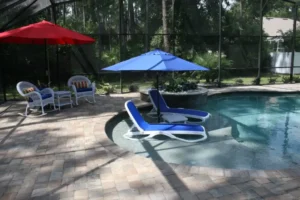
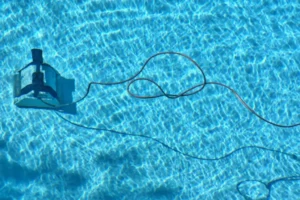
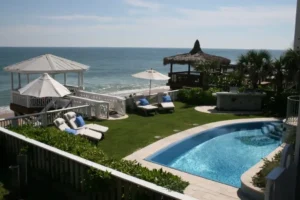
For many homeowners in Daytona Beach, a pool isn’t just an option — it’s a part of life. The Florida sun, coastal breeze, and long outdoor seasons make a backyard pool more than just a luxury. And as more people look to reduce maintenance and improve water quality, salt water pools are becoming a popular alternative to traditional chlorine systems. The idea of a salt water pool often brings up questions. How are they different from standard pools? Is the water actually salty? What’s the cost to install or convert? How do you keep it clean? These are the right questions to ask — and the answers help explain why salt water systems are gaining ground across the region. Let’s start with the basics. A salt water pool still contains chlorine — but not in the form of tablets or granules. Instead, the pool uses a system called a salt chlorine generator . This device turns salt dissolved in the pool water into chlorine through a process called electrolysis. The result is a steady, low-level release of chlorine that sanitizes the water without sharp chemical smells or the eye irritation some swimmers experience with traditional chlorine. The salt level in the water is very low — around 3,000 parts per million — far less than seawater. It’s just enough to feel smooth on the skin and gentle on the eyes. Many pool owners describe the water as “silky” or “softer” compared to standard systems. One of the first concerns that comes up is cost. So, how much do salt water pools cost to install? That depends. If you’re building a new pool from scratch, installing a salt system might add a few thousand dollars to the initial construction budget. If you’re converting an existing chlorine pool, you’ll need to factor in the price of the salt cell generator (typically $1,500–$2,500) along with installation and minor adjustments to plumbing and electrical systems. However, many homeowners in Daytona Beach find that the investment pays off over time in lower maintenance and fewer chemical purchases. Another common question is cleaning. Does a salt system mean less effort? In many ways, yes. The system generates chlorine automatically, which reduces the need for manual dosing. But like any pool, salt water systems still require some upkeep. You’ll need to test the water regularly, clean filters, and occasionally inspect the salt cell for buildup. To keep the pool in top shape, many turn to products like robotic cleaners designed specifically for this type of system. In fact, “ best pool cleaner for salt water pools ” is one of the most searched terms by new owners — and for good reason. Some cleaners work better than others in salt conditions, especially when it comes to managing fine debris or film from natural salt reactions on the pool surface. Materials matter, too. Salt can be corrosive over time if the wrong materials are used around the waterline. That’s why many builders recommend concrete sealers around salt water pools to protect decks, coping, and surrounding structures. In coastal areas like Daytona Beach, where humidity and salt air already put stress on outdoor surfaces, these sealers add an important layer of protection. Salt water pools aren’t just about chemistry — they’re also about comfort. The water feels gentler on the skin and eyes, making it easier to enjoy longer swims. There’s no strong chlorine smell, and fewer swimmers report issues like itchy skin or faded swimwear. For families with children or those who swim often, these small differences can add up to a better overall experience. Searches for salt water pools near me are steadily increasing in the Daytona Beach area. That reflects a broader shift in how homeowners think about pool ownership — not just in terms of appearance, but also how a pool fits into everyday life. With lower ongoing chemical costs, smoother-feeling water, and steady sanitation, salt systems align well with people looking for a cleaner, lower-maintenance solution. Of course, salt water systems aren’t without trade-offs. In some cases, salt can accelerate wear on metal components or stone finishes if they’re not properly sealed. Some systems may require occasional replacement of the salt cell, which typically lasts 3 to 7 years. That’s why it’s helpful to plan ahead during the design phase — choosing the right materials and positioning the system correctly can prevent future issues. Another concern some homeowners raise is how salt systems perform over time. The good news is that advances in technology have made newer systems more durable and easier to maintain. Many are fully automated and include smart diagnostics to alert you when cleaning or replacement is needed. And because they generate chlorine gradually rather than in bursts, they help avoid common issues like over-chlorination or algae blooms. For those considering the switch, converting a pool to salt water is a straightforward process in most cases. A technician can often retrofit an existing pool with a salt system in a day or two, depending on access and plumbing. It’s not an invasive process, and it doesn’t require draining the pool — just adjustments to the filtration and electrical systems, plus the addition of the right amount of salt. In terms of aesthetics, nothing about a salt water pool looks different from a standard pool — unless you want it to. Many salt water pool owners opt for lighter finishes, soft blues, and materials that reflect the calm, clean feeling of the water. Because the water stays clearer and has less chemical residue, the visual appeal tends to last longer between cleanings. When it comes to long-term ownership, most people find salt systems offer both ease and savings. While there’s an initial cost to consider, chemical use drops, and automation reduces the time spent balancing levels. It’s a system that works quietly, allowing pool owners to spend more time swimming and less time checking water quality. In Daytona Beach, where outdoor living is a year-round reality, a salt water pool can be more than a home upgrade — it can be part of a better daily routine. Whether it’s early-morning swims, weekend lounging, or family gatherings, the way water feels, looks, and behaves makes a difference. For those thinking long-term about comfort, health, and simplicity, a salt water system is worth considering.
Leave a Reply Cancel reply Your email address will not be published. Required fields are marked * Comment * Name * Email * Website Save my name, email, and website in this browser for the next time I comment. Δ
Your pool, done right
You’ve Imagined It. Now Build it.
Tell us about your home, vision, and goal. We’ll help you bring your backyard vision to life.